


Are You Choosing the Right Junior Classroom Furniture or Wasting Your Budget?
- Abhi Creations

- Feb 17
- 3 min read
Updated: Apr 14
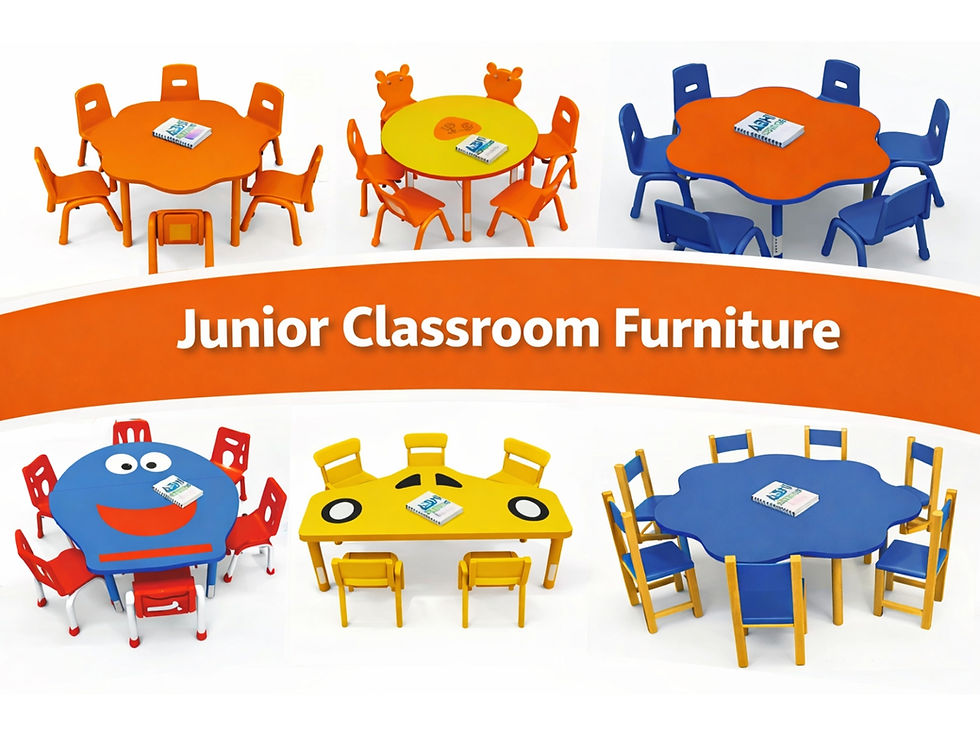
When schools or play schools plan to upgrade their classrooms, the first thought is usually about space, design, or maybe even branding. Furniture often becomes a secondary decision — and that’s where many schools go wrong.
The truth is, choosing the right Junior Classroom Furniture is not just about filling a classroom. It directly affects how children sit, learn, and interact every day.
I’ve seen schools invest in furniture that looked good initially but had to be replaced within a year. Not because it was broken, but because it didn’t actually work for kids.
So the real question is — are you investing wisely, or slowly wasting your budget?
Why Most Schools End Up Choosing the Wrong Furniture
One of the biggest mistakes schools make is choosing furniture based only on price.
A preschool in Noida once opted for low-cost desks to save money during setup. Within months:
The edges started chipping
The chairs became unstable
Teachers complained about kids not sitting properly
Eventually, they had to replace everything — which cost more than choosing the right option in the first place.
A good Junior Classroom Furniture Manufacturer doesn’t just sell products; they understand how classrooms actually function.
Comfort Is Not Optional for Kids
Young children don’t sit still unless they’re comfortable.
If the furniture is:
Too high
Too low
Or poorly designed
They constantly move, lose focus, and get distracted.
Good Junior Classroom Furniture is designed keeping children’s posture in mind. When kids sit comfortably:
They stay focused longer
They participate more
Teachers manage classrooms more easily
It’s a simple change, but the impact is noticeable.
The Size Mistake That Costs You More
Another common issue is using “one-size-fits-all” furniture.
In reality, preschool kids and primary students have very different needs.
In one Delhi school, after switching to age-appropriate furniture:
Writing became easier for kids
Teachers noticed better posture
Classroom discipline improved
Choosing the right size may seem like a small detail, but it saves you from long-term problems.
Looks Matter — But Not the Way You Think
Many schools go for bright, flashy designs thinking kids will enjoy them more.
But here’s what actually works:
Soft, balanced colors
Clean and simple design
Comfortable seating
Overly colorful or distracting furniture can reduce focus instead of improving it.
The best classrooms are the ones that feel calm, not chaotic.
Material Quality: Where Budget Decisions Go Wrong
If there’s one place where you should not compromise, it’s material quality.
Cheap furniture might look similar, but the difference shows over time.
Good quality furniture usually has:
Strong metal frames
Durable wooden tops
Smooth finishing
A trusted Junior Classroom Furniture Manufacturer focuses on long-term use, not just initial appearance.
Flexible Furniture = Smarter Classrooms
Classrooms today are not just for sitting and writing.
Kids:
Play
Participate in activities
Work in groups
Furniture that can be moved easily makes a big difference.
Schools that switched to flexible setups found:
More interaction
Better classroom flow
Easier space management
Storage Is the Silent Problem Solver
One thing most schools don’t plan properly is storage.
And it shows:
Bags lying everywhere
Toys creating clutter
Teachers wasting time organizing
Adding simple storage units like racks or cabinets can completely change how a classroom functions.
What Smart Schools Do Differently
Schools that made the right investment followed a simple approach:
They didn’t go for the cheapest option
They checked comfort and usability
They worked with an experienced Junior Classroom Furniture Manufacturer
They thought long-term instead of short-term
And most importantly — they looked at furniture as part of learning, not just infrastructure.
A Real Observation from Classrooms
Schools that upgraded their Junior Classroom Furniture often noticed:
Better student engagement
Less distraction
Improved classroom discipline
These are not dramatic changes overnight, but steady improvements that matter in the long run.
FAQs
Are cheap classroom furniture options worth it?
Usually not. They may save money initially but cost more in maintenance and replacement.
How do I choose the right furniture size for kids?
Select based on age and height so children can sit comfortably with proper posture.
Is customization necessary?
Yes, especially if your classroom layout is unique.
Does furniture really impact learning?
Yes, comfortable and well-designed furniture improves focus and participation.
Conclusion
Choosing the right Junior Classroom Furniture is not about spending more — it’s about spending wisely.
When you focus on comfort, quality, and proper design, you create a classroom where children can actually learn better.
Working with a reliable Junior Classroom Furniture Manufacturer ensures you don’t repeat the same mistakes many schools make.
Because in the end, the wrong furniture doesn’t just waste money — it affects how children experience learning every single day.
If you’re planning to upgrade your classroom, don’t rush the decision.
Choose the right Junior Classroom Furniture Work with a trusted manufacturer Build a classroom that actually works



Comments